
What Expats Miss From Home: Jakarta Grocery Guide
What Expats Miss Most From Home and Where to Find It in Jakarta’s Grocery Stores
Moving to Jakarta is rarely the problem. Settling into it is.
For many expatriates, the city’s energy, scale, and cultural depth are exciting from day one. Jakarta offers world-class dining, modern apartments, and a social scene that moves fast. Yet, even among seasoned expats, one small but persistent gap often appears within the first few weeks: the absence of familiar food and everyday staples from home.
According to multiple global relocation studies, food access consistently ranks among the top three factors influencing expat satisfaction in a new city, alongside housing and healthcare. In a place as dynamic as Jakarta, the issue is not scarcity, but knowing where to look. The city has quietly built an international grocery ecosystem shaped by decades of foreign residents, shifting consumer habits, and urban development patterns that cater to global lifestyles.
This is a closer look at what expats miss most from home and where they realistically find it in Jakarta’s grocery stores.
Why Food Becomes the First Emotional Anchor for Expats
In the early months of relocation, routines matter more than people expect. Food anchors daily life in ways that restaurants, no matter how good, cannot fully replace. Cooking breakfast the same way, reaching for a familiar brand of cheese, or recognizing a cereal box on a shelf provides a sense of normalcy when everything else feels unfamiliar.
Jakarta’s dining scene is expansive, but expats quickly realize that eating out every day is neither sustainable nor comforting long term. Home cooking becomes a way to regain control over daily rhythms, especially for families, long-term assignees, and those working hybrid or remote schedules.
This is where the search for international grocery stores in Jakarta usually begins, not out of luxury, but necessity.
What Expats Commonly Miss From Home
The items expats look for are rarely extravagant. They are practical, habitual, and often tied to routines formed long before arriving in Indonesia.
Western expats frequently mention dairy products first. Cheese varieties beyond processed slices, proper butter, fresh milk with familiar fat content, and yogurt that matches what they grew up with are high on the list. Bread also matters more than expected, particularly sourdough, rye, and wholegrain loaves that are not overly sweet.
For Japanese and Korean residents, the focus shifts toward ingredients that support everyday home cooking. Fresh noodles, miso, gochujang, soy-based products, fermented vegetables, and specific rice types are difficult to substitute. These are not specialty items, but foundations of daily meals.
Middle Eastern expats often look for halal imported meats, spices, olive oils, and specialty dairy products that align with dietary preferences and religious practices. Availability matters, but trust in sourcing matters even more.
Across all nationalities, snack foods quietly carry emotional weight. Chocolate brands, chips, biscuits, and childhood treats often trigger a sense of comfort that goes beyond taste. These small items are usually the first purchases made once an expat discovers the right store.
How Jakarta’s Grocery Landscape Adapted to Expat Demand
Jakarta’s international grocery scene did not appear overnight. It evolved alongside the city’s role as a regional business hub.
As multinational companies expanded their presence in Jakarta, residential clusters formed around embassies, international schools, and central business districts. Retail followed housing, not the other way around. Premium supermarkets emerged in areas where expat density justified imported supply chains, higher price points, and niche product categories.
Over time, imported food sections expanded within mainstream supermarkets, reflecting growing demand not only from expats, but also from middle and upper-income local residents with global exposure. Today, international grocery stores in Jakarta are no longer isolated specialty outlets. They are integrated into the city’s urban retail fabric, often located within mixed-use developments, high-end malls, and residential neighborhoods designed for walkability and convenience.
Import regulations, logistics costs, and currency fluctuations still affect pricing and availability, but access itself is no longer the main barrier.
Read also: Smart Grocery Shopping: Imported vs Local in Jakarta
Where Expats Actually Shop in Jakarta
Despite online discussions and expat forums, shopping behavior on the ground is more nuanced.
Many expats rely on premium international supermarkets for weekly shopping. These stores offer the widest selection of imported food in Jakarta, ranging from European dairy to American packaged goods and Australian meat products. Prices are higher than local supermarkets, but consistency and convenience often outweigh cost concerns, especially for families.
Specialty ethnic grocery stores serve a different purpose. Japanese, Korean, Middle Eastern, and European specialty shops tend to offer more authentic products, often imported directly or sourced through niche distributors. The selection may be narrower, but quality and familiarity are usually higher. These stores are frequently embedded within specific neighborhoods and supported by tight-knit expat communities.
Online grocery platforms have become a practical supplement rather than a replacement. They are useful for bulky items, repeat purchases, or hard-to-find products, but many expats still prefer in-store shopping when freshness and brand verification matter.
Why Location Matters More Than Store Names
Access to international grocery stores in Jakarta is closely tied to urban geography.
South Jakarta stands out as the most reliable area for expat grocery access. This is not accidental. The area hosts a high concentration of international schools, embassies, and premium apartment complexes. Retail developers responded by integrating international supermarkets into residential and lifestyle hubs, reducing travel time and improving walkability.
Central Jakarta offers convenience for professionals living close to office districts, with imported grocery options embedded in office-adjacent malls and mixed-use developments. While selection may be slightly smaller than in South Jakarta, accessibility compensates for it.
For expats choosing where to live, proximity to grocery options often becomes a deciding factor after the first year. It influences daily routines, transportation choices, and overall quality of life more than initially expected.
Read also: International Grocery Hotspots in Jakarta
What New Expats Should Know Before Grocery Shopping
Even with wide access, expectations need adjustment.
Imported food in Jakarta comes at a premium. Prices reflect logistics, taxes, and demand, not local production costs. Seasonal availability can also affect selection, particularly for fresh items.
Substitution becomes a skill over time. Many expats learn to blend imported staples with high-quality local products, creating a hybrid approach that balances cost and familiarity. Jakarta’s wet markets, specialty produce vendors, and local brands often exceed expectations once explored.
Storage and freshness also matter. Understanding refrigeration standards, packaging differences, and shelf life helps avoid frustration and food waste.
Finding Home Through Everyday Routines
For long-term expats, grocery shopping becomes more than a task. It turns into a routine that signals belonging.
Knowing which store carries your preferred bread, which aisle stocks familiar spices, or which delivery service reliably handles imported goods builds confidence in daily life. Over time, these routines anchor expats within the city, transforming Jakarta from a temporary assignment into a place that feels livable and personal.
Jakarta may never replicate home exactly, but its evolving grocery landscape ensures that comfort, familiarity, and cultural continuity are never too far away. For many expats, that is what ultimately makes the city feel like home.
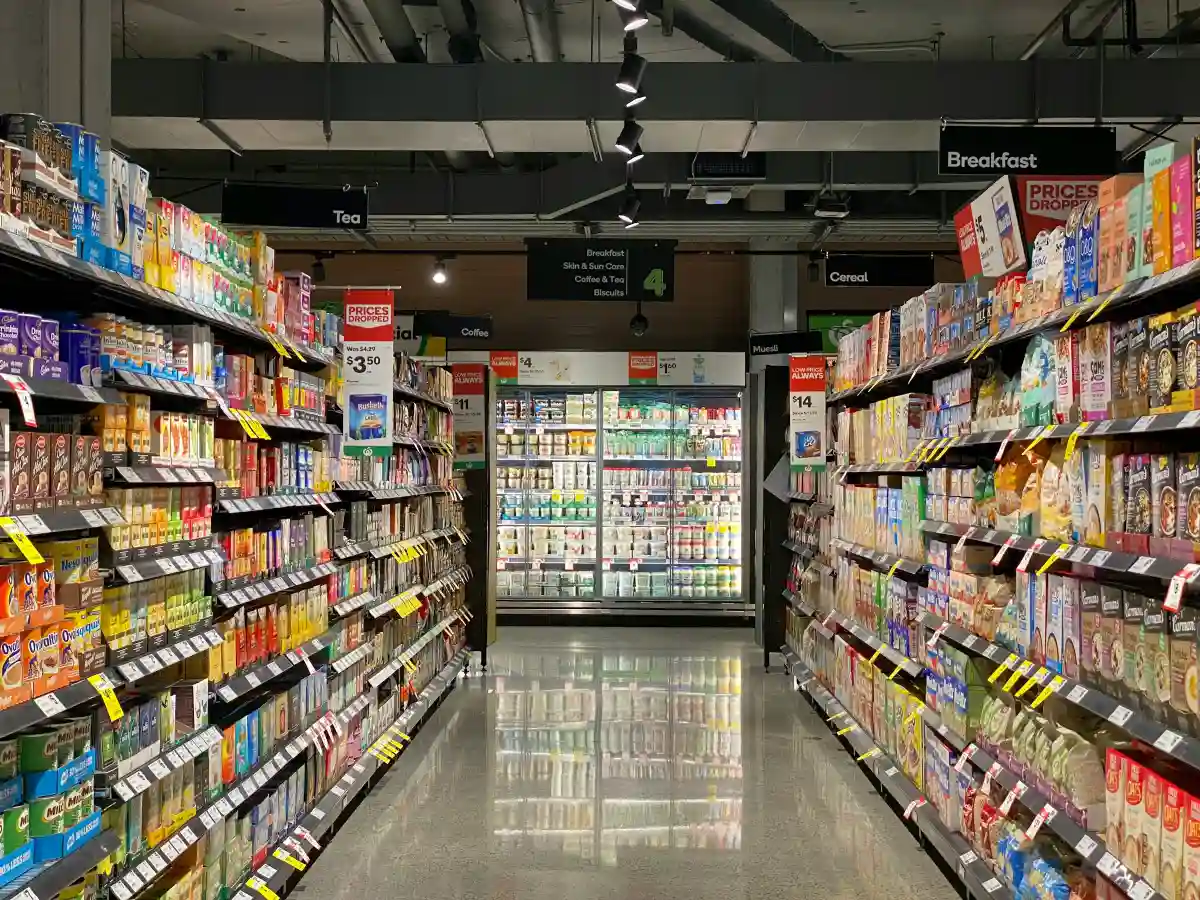
Photo by Franki Chamaki on Unsplash