
How Grocery Access Shapes Expat Apartment Choice
How Access to International Groceries Influences Apartment Choice for Expats in Jakarta
When expatriates begin their apartment search in Jakarta, the first priorities are usually predictable. Rent, building quality, commute distance, and security top the list. Yet relocation studies consistently show that housing satisfaction among expats often drops after the first six to twelve months, once daily routines replace initial excitement. One of the most underestimated factors behind that shift is access to international groceries.
In global expat surveys, proximity to daily necessities ranks higher than nightlife, entertainment, or even building amenities for long-term residents. In Jakarta, where traffic congestion reshapes how people experience distance, grocery access quietly becomes a deciding factor in whether an apartment truly works or becomes another temporary stop.
Why Grocery Access Becomes a Housing Issue, Not a Lifestyle Bonus
In the early weeks of moving to Jakarta, eating out feels effortless. The city’s dining options are extensive, affordable, and exciting. Over time, however, most expats fall into more regular rhythms. Home cooking becomes part of daily life, especially for families, professionals with demanding schedules, and anyone planning to stay longer than a year.
Food familiarity supports emotional stability in ways many expats do not anticipate. Cooking with familiar ingredients, maintaining dietary routines, or preparing simple comfort meals helps people feel grounded in a new environment. When international grocery stores are difficult to reach, that stability erodes quickly. What initially seems like a small inconvenience becomes weekly friction.
This is why apartment choice for expats in Jakarta often evolves beyond floor plans and views, toward what sits just outside the building.
Jakarta’s Urban Reality Makes Proximity Matter More Than Distance
Jakarta’s urban structure amplifies the importance of short-distance convenience. On a map, many neighborhoods appear well connected. In practice, traffic conditions distort time and effort. A grocery store that looks ten minutes away by car can easily turn into a forty-minute round trip during peak hours.
This reality changes how expats evaluate housing locations. Walkability, access to sidewalks, and proximity to daily needs become more valuable than nominal distance to business districts. Mixed-use developments, where residential towers sit alongside retail and services, tend to perform better for long-term livability than standalone apartment complexes, even when rent is slightly higher.
Urban planning patterns in Jakarta reflect this. International grocery stores cluster in areas where pedestrian access, residential density, and purchasing power intersect. These locations are not accidental. They are responses to sustained expat demand.
Where International Grocery Access Shapes Residential Clusters
International grocery stores in Jakarta are most commonly found near embassy zones, international schools, and established expat neighborhoods. South Jakarta stands out not because it is trendier, but because its infrastructure matured earlier. Residential density, road networks, and retail planning aligned to support long-term foreign residents.
Central Jakarta also offers strong grocery access, particularly around office-centric mixed-use developments. These areas appeal to professionals prioritizing commute efficiency and urban convenience. East and North Jakarta, while improving rapidly, still see fewer international grocery options due to different residential and commercial profiles.
For expats, this spatial logic translates into everyday experience. Choosing an apartment within walking or short-driving distance of an international grocery store reduces reliance on cars, lowers stress, and creates routines that feel manageable rather than exhausting.
How Grocery Access Directly Influences Apartment Decisions
For many expats, the realization comes after the lease is signed. An apartment may be modern, well-managed, and reasonably priced, yet feel inconvenient once grocery shopping becomes a weekly task. Over time, this inconvenience affects how residents perceive value.
Apartments located near international grocery stores often command higher rent, but expats frequently accept that trade-off. The perceived value extends beyond the unit itself. Reduced travel time, predictable routines, and easier family logistics matter more than saving a small percentage on monthly rent.
Grocery access also influences social dynamics. These stores often become informal meeting points where expats run into neighbors, exchange recommendations, and build familiarity with the area. This sense of micro-community contributes to overall satisfaction with the neighborhood.
Read also: International Grocery Hotspots in Jakarta
Families, Singles, and Long-Term Expats See This Differently
Not all expats weigh grocery access equally at first, but priorities tend to converge over time. Single professionals may initially focus on proximity to offices and entertainment. Families prioritize schools and safety. Long-term assignees think in terms of sustainability.
As months pass, routines align. Families need reliable access to ingredients that suit dietary preferences. Professionals seek efficiency between work and home. Retirees and remote workers value walkability and ease. Across these profiles, international grocery access becomes a shared requirement rather than a personal preference.
Evaluating Grocery Access When Choosing an Apartment
Experienced expats approach apartment selection differently after their first lease. They stop asking whether a grocery store exists nearby and start asking how it fits into daily life. Is it walkable, not just drivable. Are sidewalks usable. Does the route feel safe and practical during rain or peak traffic.
They also look beyond the grocery store itself. Areas with international groceries often signal broader lifestyle compatibility. Cafes, gyms, clinics, and schools tend to follow similar demand patterns. Grocery access becomes a proxy for overall neighborhood livability.
Why South Jakarta Continues to Dominate Long-Term Expat Choices
South Jakarta’s appeal lies in consistency rather than novelty. Infrastructure supports daily routines without constant compromise. International grocery stores, residential developments, and lifestyle services are integrated rather than scattered. For expats planning to stay multiple years, this integration reduces friction across all aspects of daily life.
This does not mean other areas lack potential. Jakarta continues to evolve. However, for expats prioritizing stability, South Jakarta remains the benchmark against which other neighborhoods are measured.
Choosing an Apartment That Works Beyond the First Year
Apartment choice for expats in Jakarta often shifts from impression-based decisions to routine-based thinking. The apartment that looks perfect during a weekend viewing may feel less appealing after months of navigating traffic for basic errands.
Access to international groceries may seem minor during relocation, but it often predicts long-term satisfaction more accurately than building amenities or interior finishes. It reflects how well a neighborhood supports daily life, not just how it presents itself.
For expats planning to build a life in Jakarta rather than simply pass through it, grocery access is not a lifestyle perk. It is a practical indicator of whether an apartment truly fits the way they live.
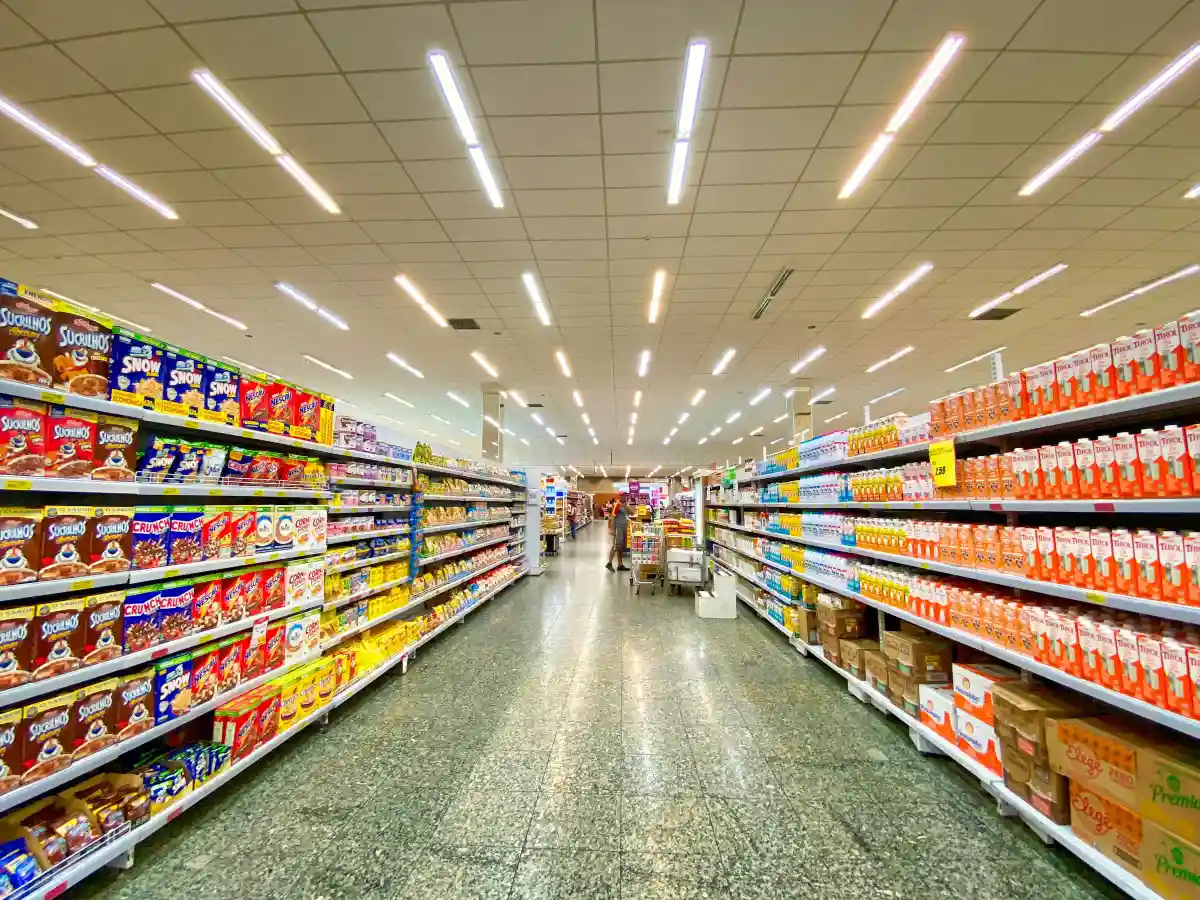
Photo by Nathália Rosa on Unsplash