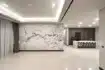

Luxury Property Interior Design: Materials, Care, Value
What Interior Should Look Like in a Luxury Property
In Jakarta’s luxury property market, interior quality has quietly become one of the strongest differentiators. Data from several high-end residential developers shows that premium units with professionally designed interiors can command rental premiums of 15 to 30 percent compared to similar units with standard finishes. This shift reflects a broader change in how urban residents define luxury. It is no longer about size alone, but about how a space feels, functions, and ages over time.
A luxury interior is not something that happens by chance. It is the result of deliberate planning, material discipline, and professional execution, all shaped by the realities of urban living in a dense city like Jakarta.
Luxury Interior Goes Beyond Visual Appeal
A true luxury interior is never designed to impress at first glance alone. It is designed to perform well in daily life. In Jakarta, where traffic, climate, and long working hours shape how people use their homes, luxury interiors prioritize comfort, spatial clarity, and durability.
Well-designed luxury spaces feel calm even in compact urban settings. Circulation is smooth, lighting is layered, and every area has a clear purpose. Instead of chasing trends, luxury interiors rely on proportion, material honesty, and consistency. This is why high-end residences tend to age gracefully, while trend-driven interiors often feel dated within a few years.
Why Professional Interior Designers Are Essential
In luxury properties, interior designers are not decorators, they are problem solvers. Their role goes far beyond choosing colors or furniture. In Jakarta’s high-rise apartments and gated residential enclaves, designers must understand building systems, developer specifications, local regulations, and urban lifestyle patterns.
Professional interior designers coordinate with architects, contractors, lighting consultants, and custom furniture makers. They manage space planning, technical drawings, material specifications, and on-site supervision. This level of involvement ensures that what is designed on paper can actually be built to a high standard.
Design fees for luxury interiors are higher because the work is largely custom. Designers are responsible for details that are invisible to most people but critical to long-term quality, such as joinery tolerances, material transitions, and lighting placement. In a luxury context, mistakes are costly, and experience matters.
Materials That Define Luxury Interiors
Material selection is one of the clearest indicators of a luxury interior. In Jakarta’s premium residences, materials are chosen not just for appearance but for how they respond to climate, usage, and time.
Natural stone remains a signature feature in luxury properties. Marble, granite, travertine, and onyx are commonly used for flooring, bathrooms, and feature walls. Each slab is unique, which adds character but also requires careful selection and skilled installation. Stone surfaces create a sense of permanence that synthetic materials rarely achieve.
Wood is another defining element. Solid wood and high-quality veneer finishes are widely used for flooring, wall panels, cabinetry, and doors. Walnut, oak, teak, and ash are popular choices. In Jakarta’s humid environment, wood selection and treatment are critical. Poorly specified wood can warp or crack, which is why luxury interiors rely on seasoned materials and precise craftsmanship.
Metal accents such as brushed brass, stainless steel, or bronze are used sparingly. They appear in lighting fixtures, handles, and custom details, adding depth without overwhelming the space. Glass, especially low-iron or smoked glass, is often integrated to enhance light flow and visual openness.
Custom Furniture and Built-In Elements
One reason luxury interiors feel cohesive is the extensive use of custom-built elements. Wardrobes, kitchens, shelving, and even seating are often designed specifically for the space. This approach allows better use of proportions, eliminates awkward gaps, and ensures consistency in material and finish.
In Jakarta’s luxury apartments, built-in furniture also helps manage space efficiently without compromising elegance. Custom pieces are typically more durable than mass-produced furniture and can be repaired or refinished rather than replaced.
Maintaining a Luxury Interior
Owning a luxury interior comes with responsibilities. High-end materials require proper care to maintain their appearance and performance.
Natural stone surfaces need sealing and should be cleaned with non-acidic products. Periodic professional polishing helps preserve their finish. Wood surfaces require stable humidity levels and gentle cleaning methods. Excess water and harsh chemicals are common causes of long-term damage.
Upholstery and soft furnishings also need attention. Fabric selection affects maintenance requirements, while leather demands regular conditioning. Many luxury homeowners in Jakarta rely on professional maintenance services to ensure consistent care, especially in residences that are rented or used part-time.
Where Luxury Materials Are Sourced
Luxury interior materials are rarely sourced from general retail stores. Most come from specialized showrooms, design suppliers, or imported collections. Interior designers often have access to trade-only suppliers that offer higher quality materials and better consistency.
Jakarta benefits from a strong combination of imported materials and skilled local craftsmanship. While stone, lighting, and fittings may be imported, much of the custom furniture and woodwork is produced locally by experienced artisans. This balance allows luxury interiors to meet international standards while remaining responsive to local conditions.
Luxury Interior as a Long-Term Investment
A well-executed luxury interior adds tangible value to a property. It improves resale potential, supports higher rental yields, and reduces the need for frequent renovations. More importantly, it enhances daily living quality in a demanding urban environment.
In a city like Jakarta, where private space is increasingly precious, a thoughtfully designed interior becomes a form of personal infrastructure. Luxury, in this context, is not about excess. It is about creating a home that works effortlessly, ages well, and supports the lifestyle of its residents for years to come.