
Smart Grocery Shopping: Imported vs Local in Jakarta
Imported vs Local Substitutes: How Expats Shop Smart for Everyday Groceries in Jakarta
When you first move to Jakarta as an expatriate, grocery shopping can quickly become one of the most challenging aspects of settling in. The city’s vast array of supermarkets can be both overwhelming and exciting, especially when you’re trying to recreate your usual shopping habits in a completely new environment. Initially, many expats gravitate towards imported products, those familiar brands that feel like a connection to home. But after a few months, it becomes apparent that shopping only for imported goods isn’t sustainable, either due to the high cost or limited availability. So how do you strike the right balance between imported and local groceries in a way that makes sense both financially and practically?
The key is understanding that Jakarta’s local market offers plenty of high-quality alternatives that don’t just help you save money but also provide an opportunity to embrace the city’s food culture. Over time, you’ll find that some local substitutes are far superior in freshness and taste to imported options. Shopping smart is about curating your grocery list, mixing local products with imported ones, and navigating the supermarkets with a more informed mindset.
Why Expats Start with Imported Groceries
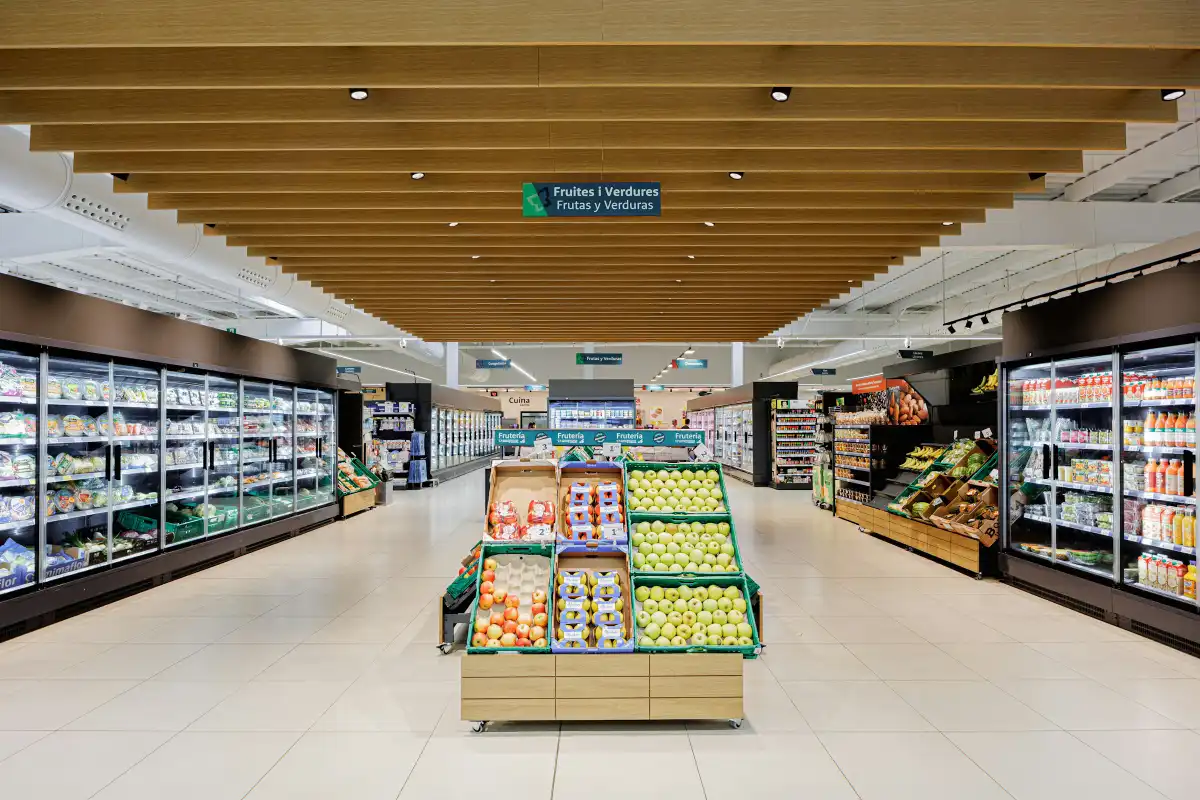
In the beginning, there’s a certain sense of comfort in purchasing imported groceries. When you’re adjusting to a new country, familiarity is comforting. It’s not just about the brands but the reassurance that the quality you’re accustomed to will be consistent. For many expats, shopping at international supermarkets like Grand Lucky and Ranch Market feels like the most straightforward way to stock up on everything from cereals to dairy. These supermarkets are well-stocked with the kind of imported goods that expats can trust and easily recognize.
In fact, a survey by Expat Life Indonesia revealed that 72% of expats in Jakarta opt for imported goods during their first 6 months. This trend is driven by the desire for quality consistency and the trust that imported food comes with higher safety standards, particularly in products like dairy, meat, and packaged foods. It’s easy to overlook the fact that in many cases, these products come at a steep price. But when you’re new to the city, the psychological comfort of seeing those familiar labels often outweighs the financial reality.
But as time goes on, it becomes clear that relying on imported goods day in and day out isn’t sustainable, either for the wallet or your overall grocery experience. As expats become more familiar with the local market, they start to see that many local products are just as good, if not better, than their imported counterparts.
The Cost Reality: Imported Groceries Aren’t Always Practical
The allure of imported products starts to fade when you realize how much they add to your grocery bill. Take a typical block of imported cheese—at IDR 150,000 for 200g, it’s easily more than double the price of the Indomilk or Kraft cheeses found in local supermarkets, which cost around IDR 60,000 for the same weight. Fresh meat also comes with a hefty premium, with imported chicken or beef running upwards of IDR 250,000 per kilogram, while local products are often priced between IDR 120,000 to 150,000 for the same amount.
As a result, many expats find themselves shocked at the cumulative cost of fully imported groceries. For instance, a weekly grocery run can end up costing over IDR 1,000,000 if mostly imported products are purchased. While some expats are happy to absorb this cost, others quickly begin searching for alternatives that give them the same quality but at a more affordable price point.
An article published by WhatsNewIndonesia found that the average expat family spends approximately IDR 5,000,000-6,000,000 per month on groceries, with the majority of that going to imported goods. This is a significant amount when you take into account that local produce, meats, and other staples can cost up to 50% less, offering a major incentive to look into local substitutes.
Local Substitutes: A Smarter Way to Shop
The idea that local products are inferior to their imported counterparts is a misconception that many expats have when they first arrive. Jakarta’s domestic food industry has flourished, and now local products offer a wide range of alternatives that compete with imports on both quality and price.
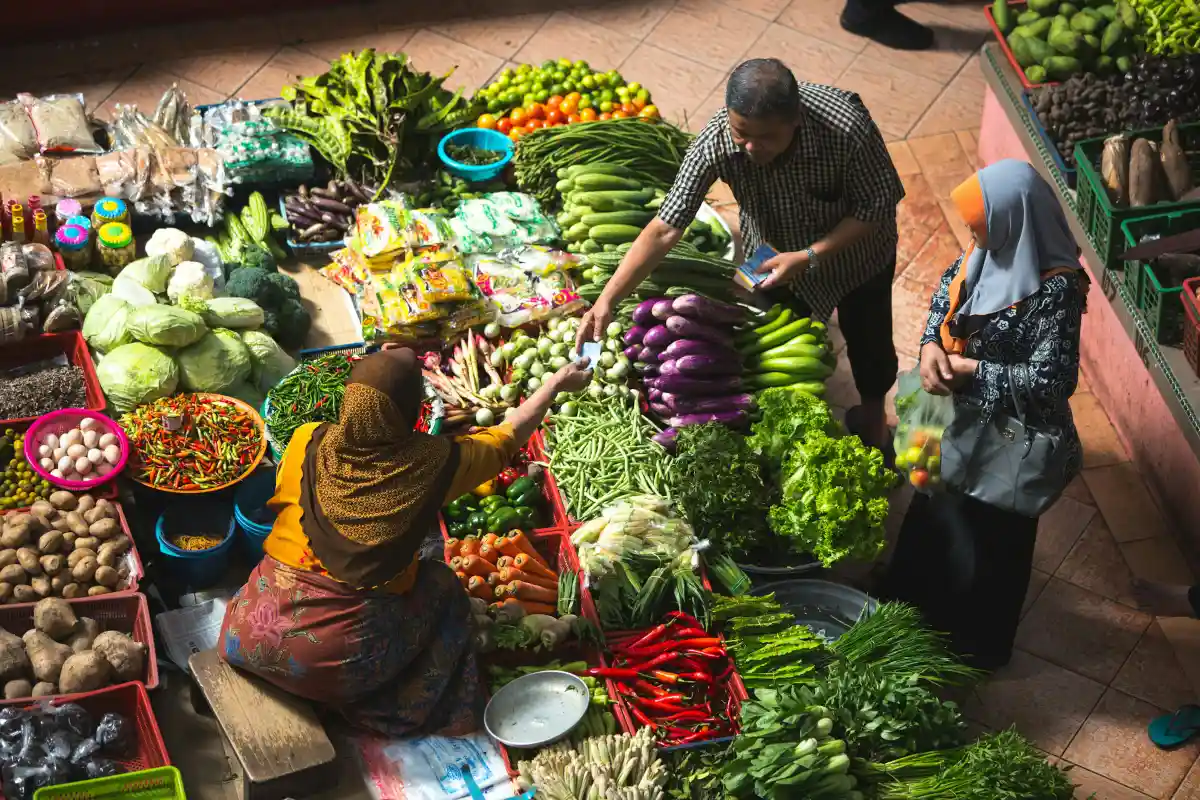
Fresh produce, for example, is often more affordable and fresher when sourced locally. Kangkung (water spinach), sawi (mustard greens), and tempeh (fermented soybeans) are not only staples in Indonesian cooking but also offer nutritional value at a fraction of the cost of imported vegetables. Local produce is typically harvested closer to the point of sale, which means it stays fresh longer and doesn’t need to travel as far to get to the consumer. This results in better tasting vegetables and fruits, such as mangoes, papayas, and bananas, all priced significantly lower than their imported counterparts.
Local rice is another area where expats will find surprising quality. Beras Pandan Wangi, a fragrant local rice, rivals imported Jasmine rice in flavor and costs only a fraction of the price—IDR 45,000 for 5kg compared to IDR 150,000 for the same amount of imported rice. The difference in price can add up to significant savings, especially for families who eat rice daily.
By shopping locally, expats can enjoy high-quality products at a fraction of the cost, while supporting Indonesian agriculture. However, not all local products are created equal, and it’s important to know which substitutes work best for your needs.
Local Substitutes That Work
A good place to start is with fresh herbs and spices. The market for ginger, lemongrass, chili, and turmeric is abundant in Jakarta. These items are readily available at local markets like Pasar Santa and Pasar Kebayoran Lama, often at half the price of imported counterparts. Plus, they offer greater flavor and freshness compared to their imported equivalents, giving expat dishes that authentic touch.
Cooking oils such as minyak goreng (palm oil) and coconut oil are also strong substitutes for the pricier imported options. While olive oil and canola oil may be the go-to choice for many, palm oil costs around IDR 15,000 per liter, while olive oil can run over IDR 80,000 for a small bottle. Coconut oil is another affordable local option that adds richness to many Indonesian dishes, and it’s priced similarly to palm oil. These oils provide a more authentic taste and better value for everyday cooking.
For dairy, there are local brands like Indomilk and Kraft that offer milk, yogurt, and cheese at far more affordable prices than their imported equivalents. While high-end imported cheeses are still hard to beat, local versions can handle everyday needs, saving expats a lot of money over time.
Items Expats Still Prefer to Buy Imported
That said, there are certain items where imported goods remain the preferred option for many expats, simply because they offer a level of consistency that local alternatives struggle to match.
For instance, cheese is a category where local substitutes just don’t quite measure up. Expats accustomed to the variety and quality of European cheeses often find that local versions lack the depth of flavor or texture they are used to. Similarly, processed meats like bacon and sausages are another area where imported products reign supreme. Many expats continue to buy imported meats due to flavor preferences and the consistency they provide, which is hard to replicate with locally produced products.
Specialty items such as chocolate chips, brown sugar, and vanilla extract also tend to be imported because they’re used for specific recipes and are not widely available in local supermarkets. When it comes to baking, these items are hard to find locally, making the extra expense worth it for those who enjoy Western-style desserts.
Read also: International Grocery Hotspots in Jakarta
How Shopping Habits Change Over Time
As expats settle into their Jakarta routine, their approach to grocery shopping typically evolves. Initially, it’s all about getting used to the idea of quality imports in a foreign land. But after some time, many expats begin to embrace local products for everyday cooking. Shopping at local markets like Pasar Santa and Pasar Kebayoran Lama becomes part of the routine, and those trips often prove to be both cheaper and more rewarding.
As familiarity with Jakarta’s grocery scene grows, so does the confidence to explore new brands and local alternatives. Over time, many expats find that local products not only meet their needs but often exceed expectations, providing an authentic experience and taste of Indonesia.
Final Thoughts: Smart Grocery Shopping Is Part of Settling In
Smart grocery shopping is about finding the right balance between local and imported products. While some items are difficult to replace, especially those that cater to Western food preferences, Jakarta offers an abundance of local products that are fresh, high-quality, and much more affordable. By exploring local options, expats can reduce their grocery bills, enjoy fresh ingredients, and develop a deeper connection to the local food culture.
As you settle into life in Jakarta, your grocery shopping habits will naturally evolve. With the right information, you can make smarter and more informed choices about what to buy. Whether it’s embracing local produce or treating yourself to imported products for special occasions, smart shopping is one of the first steps toward feeling truly at home in Jakarta.
Photo by Alex Hudson on Unsplash