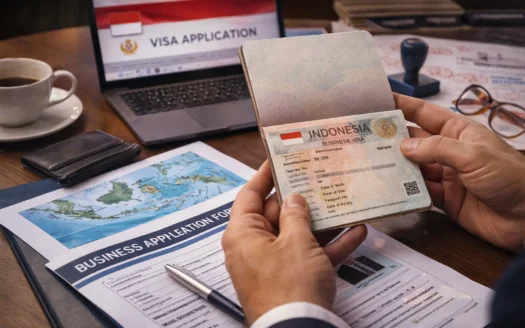
How to Register with Local Authorities in Indonesia as an Expatriate
Moving to Indonesia as an expatriate involves more than arranging a visa and finding a place to live. Depending on your immigration status, length of stay, and purpose of residence, you may also need to complete certain administrative requirements with Indonesian authorities. Understanding these requirements early can help ensure a smoother relocation and allow you to settle into daily life with greater confidence.
While the exact procedures may vary depending on your circumstances, expatriates should generally keep their immigration documents, residential information, and other supporting documents properly organized. The following guide provides an overview of the key considerations when registering or reporting your residence in Indonesia.
1. Understand Your Immigration Status
The first step is to understand your immigration status and the obligations attached to it. Foreign nationals may enter and reside in Indonesia under different types of visas and residence permits, depending on whether they are working, investing, studying, joining family members, or staying for other purposes.
Your immigration status determines which documents you need and whether additional reporting or registration requirements apply during your stay. Before completing any local administrative process, make sure that your passport, visa, and residence permit are valid and consistent with the purpose of your stay.
It is also important to keep copies of your immigration documents in a secure place. Having both physical and digital copies can make future administrative processes easier.
2. Register Your Residential Address
Once you have secured accommodation in Indonesia, your residential information may need to be reported through the relevant local administrative authorities. This is particularly important for expatriates who plan to stay in Indonesia for an extended period.
The process can depend on the type of accommodation and the local administrative structure. For example, expatriates living in apartments may need to coordinate with the building management or property owner, while those renting a landed house may deal more directly with the landlord and local neighborhood administration.
When renting a property, it is therefore useful to confirm in advance whether the landlord or property management team provides assistance with the necessary residential documentation and reporting.
3. Prepare the Required Documents
Administrative registration generally requires supporting documentation that confirms your identity, immigration status, and place of residence. Depending on the specific process, documents may include your passport, valid visa or residence permit, rental agreement, and other relevant identification or residential documents.
Requirements can differ between administrative offices and individual circumstances, so expatriates should confirm the latest requirements before visiting an authority. Keeping your documents complete and consistent is especially important if your residential address is used for multiple administrative purposes.
For this reason, it is recommended to keep an organized file containing your passport copy, immigration documents, rental agreement, and other important paperwork throughout your stay in Indonesia.
4. Coordinate with Your Landlord or Property Management
For expatriates renting a property, the landlord or property management team can often be an important point of contact when dealing with residential administration. They may be familiar with the local procedures and can explain what information or documentation is required from the tenant.
Before signing a rental agreement, expatriates should clarify how residential registration and related administrative matters will be handled. This can help avoid misunderstandings after moving into the property.
For corporate tenants, these arrangements may also be coordinated between the employee, employer, relocation provider, landlord, and property management team, depending on the company’s relocation policy.
5. Be Aware of Local Administrative Procedures
Indonesia has several levels of local administration, and procedures may differ depending on the location where you live. Neighborhood-level administration, commonly associated with RT and RW structures, can play a role in local residential administration.
These local structures are part of Indonesia’s community administration system and may be involved in confirming information about residents. For expatriates, the process may feel different from the residential registration systems used in their home countries, so assistance from a landlord, property manager, employer, or relocation representative can be useful.
Understanding who is responsible for each part of the process can make the experience more efficient and prevent unnecessary delays.
6. Keep Your Information Updated
Registration is not necessarily a one-time matter. If you move to another property, change your immigration status, or experience other significant changes in your residential circumstances, you may need to update your information with the relevant authorities.
Expatriates should therefore keep track of important dates related to their residence permit, passport, rental agreement, and other administrative documents. Address changes should also be communicated to the relevant parties promptly.
Keeping your information up to date can help ensure that your official records remain consistent with your actual circumstances in Indonesia.
7. Understand the Difference Between Immigration and Local Administration
One important point for expatriates is that immigration matters and local residential administration are not always handled by the same authority.
Immigration-related matters generally concern your legal status as a foreign national in Indonesia, while local administrative matters may relate to where you live and your registration within the local community. These processes can involve different documents and responsible parties.
Understanding this distinction can help expatriates identify where to seek assistance when dealing with a particular administrative requirement.
8. Seek Professional Assistance When Necessary
Administrative requirements can become more complicated when an expatriate is relocating with family, moving between properties, or staying in Indonesia for an extended assignment. Corporate employees may also have additional requirements based on their employer’s relocation policies.
If you are unsure about a specific registration requirement, it is advisable to seek assistance from the relevant government authority or a qualified immigration and relocation professional. This is particularly important when dealing with legal or immigration matters where incorrect information could affect your stay in Indonesia.
For residential matters, working with an experienced property or relocation partner can also make the process of securing accommodation and coordinating with landlords or property management more convenient.
Final Thought
Registering with the appropriate local authorities is an important part of settling into life in Indonesia as an expatriate. Although the requirements can vary depending on your immigration status, residential location, and personal circumstances, keeping your documents organized and communicating clearly with your landlord or property management can make the process considerably easier.
A well-managed relocation should cover more than simply finding a property. It should also ensure that your residence, documentation, and administrative requirements are properly coordinated from the beginning.
If you are looking for a suitable home in Jakarta and need assistance with the residential process, Richwell Property can help you explore suitable properties and coordinate with property owners or management teams based on your requirements.