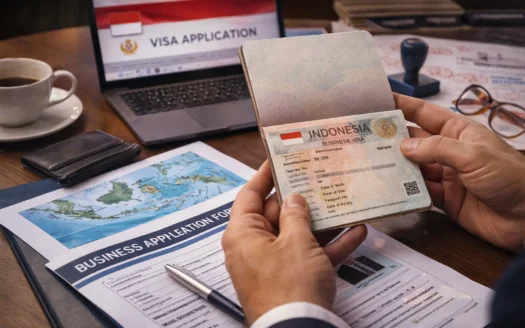
Planning to Live in Indonesia? Here is 10 Checklist You Should Prepare
Quick Key Insight
Relocating to Indonesia requires structured preparation spanning visa compliance, international tax laws, housing, and healthcare. This comprehensive checklist outlines the key administrative, financial, and logistical steps required for expatriates preparing to move to Indonesia.
Moving to Indonesia can be an exciting opportunity, whether you are relocating for work, business, retirement, family, or a change of lifestyle. But relocating is different from taking a holiday, before booking your one-way flight, there are several practical matters to arrange.
This guide provides an overview of the essential steps to prepare before moving to Indonesia, whether your relocation is happening within the next few months or is still part of your longer-term plans.
1. Check Your Passport and Essential Documents
Start with your documentation. At a minimum, prepare this document :
- A valid passport with sufficient validity
- Birth certificate, where required
- Marriage certificate, if relocating with a spouse
- Children’s birth certificates, if applicable
- Academic or professional qualifications
- Employment or business documents
- Proof of accommodation or address, where required
- Financial statements or proof of funds, where applicable
- Health and vaccination records
- Digital and physical copies of important documents
Keep encrypted digital copies in secure cloud storage and carry essential originals separately from your luggage.
If you are Australian citizensm you should also review the latest Indonesia travel advice from Smartraveller before departure. Requirements can change, including entry and transit procedures.
2. Determine Which Indonesian Visa You Need
Your visa should be determined by why you are moving to Indonesia and how long you intend to stay.
Different pathways exist for employment, investment, family reunification, education, retirement, remote work, and other purposes. Indonesia’s immigration authorities currently list various Limited Stay Visa (VITAS) categories, including employment, family, retirement, remote work, investment, and other activities.
Do not assume that a tourist visa is suitable simply because you can enter Indonesia on one.
Read Business visa requirements for indonesia
For example, Australian government travel advice states that working, conducting research, volunteering, or commercially creating online content is not permitted under a tourist visa.
Before applying, check:
- Your purpose of stay
- Intended length of stay
- Whether you need a sponsor
- Whether you will work for an Indonesian entity
- Whether family members are relocating with you
- Whether your visa can be extended or converted
Use the Directorate General of Immigration and an Indonesian Embassy or Consulate as your primary sources rather than relying solely on relocation blogs or social media.
3. Understand the Tax Implications
Tax planning deserves attention before you move.
Indonesia’s tax residency rules are not based solely on the number of days you spend in the country. Indonesian tax regulations consider factors including residence, physical presence, and intention to reside. In certain circumstances, an individual may be considered a domestic tax subject after being in Indonesia for more than 183 days within a 12-month period, while other criteria can also apply.
This can become particularly important if you continue receiving:
- Country of employment income
- Overseas investment income
- Rental income
- Business income
- Pension or retirement income
Indonesia also has tax treaties with various countries designed to address international taxation issues.
If your financial affairs are complex, speak with a qualified Indonesian tax adviser and, where necessary, an Australian tax professional before relocating.
4. Estimate Your Cost of Living
Your cost of living in Indonesia will depend heavily on location and lifestyle. Your relocation budget should account for more than rent. Consider:
- Housing
- Electricity and water
- Internet and mobile services
- Groceries
- Restaurants and entertainment
- Transportation
- Private healthcare
- Insurance
- Domestic help
- School fees, if applicable
- Visa and immigration costs
A lifestyle in central Jakarta, Bali, Surabaya, or a smaller Indonesian city can produce very different monthly budgets.
Rather than relying on a single “average expat cost”, create a personal monthly budget based on the lifestyle you actually intend to maintain.
5. Choose the Right Housing
Housing is one of the most important decisions during an expatriate relocation. Common options include:
- Serviced apartments
- Apartments or condominiums
- Houses in residential compounds
- Long-term villas
- Furnished rental properties
- Short-term accommodation while searching for a permanent home
If you are relocating within the next one to three months, consider booking temporary accommodation first. This gives you time to understand neighbourhoods, commute times, traffic, facilities, and local rental conditions before signing a long-term agreement.
Your preferred location may depend heavily on your workplace, children’s school, access to healthcare, and transportation.
6. Prepare a Practical Packing List
Indonesia’s climate means you may need to rethink what you normally pack from your Country origin. Consider bringing:
- Lightweight, breathable clothing
- Comfortable footwear
- Prescription medication and documentation
- Essential toiletries
- Universal travel adapters
- Important electronic devices
- Copies of important documents
- Work equipment
- A small supply of items that may be difficult to replace immediately
Avoid filling your luggage with household goods that can easily be purchased locally.
For long-term relocations, separate your belongings into carry-on essentials, arrival luggage, shipped items, and items to sell or leave behind.
7. Arrange Health Insurance and Medical Access
International or expatriate health insurance can be worth considering before departure. Research for this:
- International health insurance
- Local private health insurance
- Hospitals near your future residence
- Emergency medical services
- Prescription medication availability
- Coverage for pre-existing conditions, if relevant
8. Plan Your Banking and Money Arrangements
Before leaving your Country, make sure you understand how you will access money after arriving. Review these :
- International transfer options
- Foreign transaction fees
- Indonesian banking requirements
- Debit and credit card access
- Emergency funds
Avoid closing your financial accounts immediately. Your tax, investments, insurance, and other financial arrangements may continue to require banking relationship.
9. Arrange Transportation
Your transport strategy will depend on where you live.
In major Indonesian cities, ride-hailing and private drivers can be practical alternatives to owning a car. If you intend to drive, check Indonesian licensing requirements before relying on your driving licence.
Also consider your daily commute before choosing your accommodation. In cities such as Jakarta, distance alone does not tell you how long a journey will take.
10. Consider Professional Relocation Services
A professional relocation service can be useful when you need assistance with several moving parts at once. Depending on the provider, services may include:
- Immigration assistance
- Temporary accommodation
- Property search
- Household shipment
- School search
- Local orientation
- Transportation
- Settling-in assistance
For visa and immigration matters, verify that any agent or service provider is reputable and that the information they provide matches current Indonesian government requirements. Some of travel advice specifically recommends using reputable companies when engaging agents for visa or stay-permit services.
11. Understand Local Culture and Everyday Life
Relocation becomes considerably easier when you prepare for the practical realities of everyday life.
Learning basic Indonesian — Bahasa Indonesia — can make daily interactions easier, even if you work in an English-speaking environment.
It is also worth learning about:
- Local etiquette
- Religious and cultural practices
- Public holidays
- Dress expectations
- Neighbourhood customs
- Traffic and transportation
- Local payment habits
Quick Checklist Overview
- Documentation & Visas: Validate passports, secure appropriate visas (VITAS/KITAS), and prepare certified copies.
- Tax & Finance: Determine tax residency status, manage international transfers, and retain origin-country bank accounts.
- Housing & Health: Secure temporary lodging first, obtain comprehensive expatriate health insurance, and locate primary care facilities.
- Logistics & Culture: Plan transportation, pack for tropical climates, and learn basic Bahasa Indonesia.
Relocation Timeline & Action Plan
| Timeline | Priority Actions |
| 3–6 Months Before | Select visa pathway, evaluate tax implications, research housing/schools, audit passport validity. |
| 1–3 Months Before | Submit visa application, obtain health insurance, secure temporary lodging, apostille documents. |
| 2–4 Weeks Before | Confirm flights, arrange currency access, finalize packing, compile medical records. |
| First Month After | Complete local immigration registration (e.g., converted KITAS/STM), finalize long-term lease, open local bank account. |