Cultural Centers & Creative Spaces in Jakarta
Cultural Centers, Performance Spaces, and Creative Communities in Jakarta
Jakarta is often described through its traffic, skyscrapers, and business districts. Yet beneath that fast paced exterior sits a dense, living cultural ecosystem. For expats, creatives, and urban explorers, the city offers a surprisingly rich network of cultural centers, performance venues, and creative communities that function as social anchors, not just entertainment spaces. According to Jakarta’s Tourism and Creative Economy Office, more than 40 percent of cultural events hosted in the capital are now attended by international audiences, a figure that continues to grow as the city becomes more globally connected.
These spaces play a vital role in shaping Jakarta’s urban lifestyle. They offer moments of pause, cultural exchange, and connection, especially for those navigating life in a megacity far from home.
Taman Ismail Marzuki, Jakarta’s Cultural Heartbeat
Few places represent Jakarta’s cultural identity as clearly as Taman Ismail Marzuki, often referred to as TIM. Located in Cikini, Central Jakarta, this sprawling complex has been the city’s main arts and performance hub since the late 1960s.
Address: Jalan Cikini Raya No. 73, Menteng, Central Jakarta
How to get there: The easiest access is via Cikini Station on the commuter line, followed by a short walk. Ride hailing services are also widely used.
What to expect: TIM hosts theater productions, film screenings, contemporary dance, literary discussions, and art exhibitions. Most events are ticketed affordably, with many offering bilingual programs or English subtitles.
Following its recent revitalization, TIM now feels more open and international. The complex includes modern theaters, outdoor plazas, cafes, and creative workspaces. For expats living in Menteng or Central Jakarta, it often becomes a regular cultural stop rather than a one time visit.
Goethe-Institut Jakarta, Where Global Culture Meets Local Dialogue
Jakarta’s cultural landscape is not shaped by local institutions alone. International cultural centers play a major role, and Goethe-Institut Jakarta stands out for its consistency and accessibility.
Address: Jalan Dr. GSSJ Ratulangi No. 9, Menteng
How to get there: Easily reachable by car or motorcycle, located near Sudirman and Menteng residential zones.
What to expect: Film screenings, panel discussions, music performances, exhibitions, and language driven cultural programs, many conducted in English.
Unlike formal museums, Goethe-Institut feels conversational. Events often encourage dialogue between Indonesian and international artists, making it particularly appealing for expats seeking cultural exchange rather than passive observation.
Salihara Arts Center, A Home for Independent Expression
Tucked away in Pasar Minggu, Salihara Arts Center represents Jakarta’s independent creative spirit. It is less polished than institutional venues, but more intimate and experimental.
Address: Jalan Salihara No. 16, Pasar Minggu, South Jakarta
How to get there: Best accessed by car or ride hailing services, especially in the evening.
What to expect: Poetry readings, contemporary theater, independent film, art talks, and workshops.
Salihara attracts a mixed crowd of academics, artists, students, and expats who value critical discourse. Events are often bilingual, and the audience tends to linger afterward, turning performances into social gatherings. For expats living in South Jakarta, Salihara often becomes a cultural “third place” outside work and home.
Jakarta Arts Council and Regional Cultural Centers
The Jakarta Arts Council works closely with regional cultural centers across the city, ensuring cultural activity is not concentrated only in Central Jakarta. Venues such as Gedung Kesenian Jakarta and various city owned galleries play a role in decentralizing cultural access.
Gedung Kesenian Jakarta
Address: Jalan Gedung Kesenian No. 1, Pasar Baru
How to get there: Accessible from Juanda Station or via TransJakarta corridors.
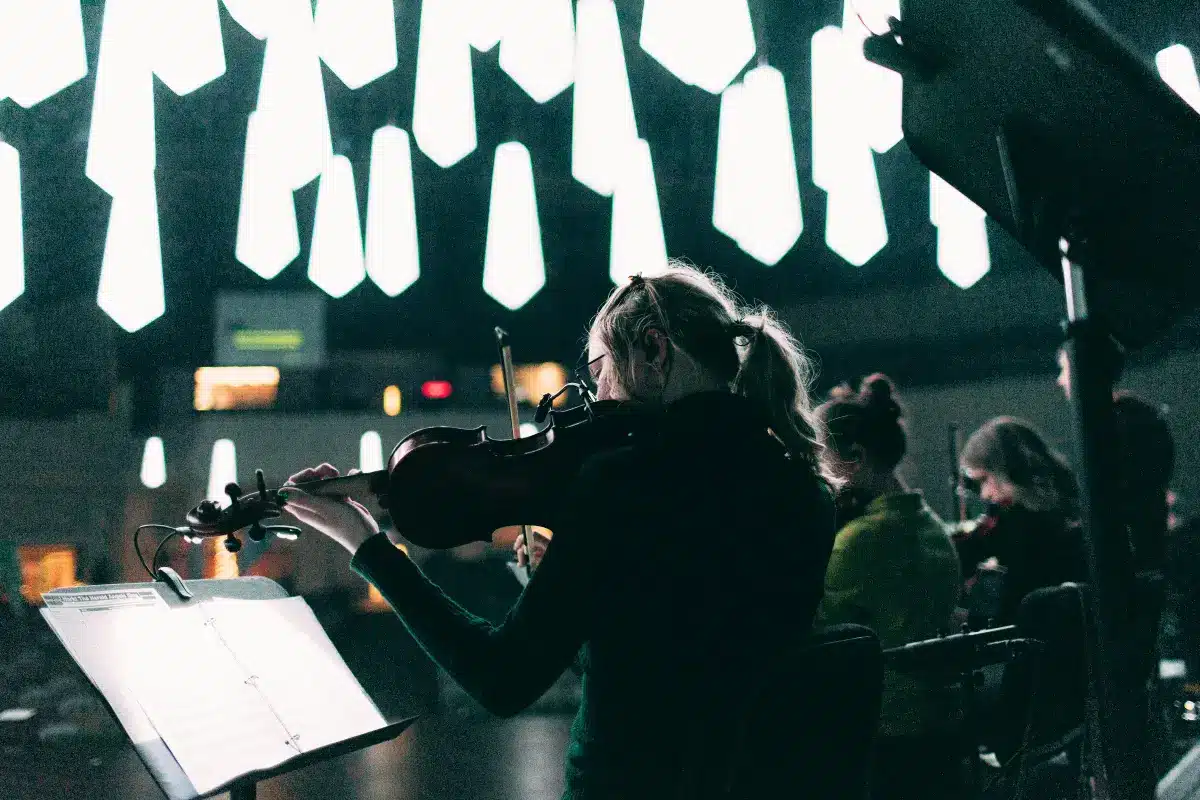
What to expect: Classical music, orchestral performances, traditional theater, and international collaborations.
These spaces often surprise expats who assume Jakarta’s cultural life is limited to malls and private venues. In reality, the city’s public cultural infrastructure is extensive, though sometimes under publicized.
Read also: Art Galleries & Cultural Spaces near Menteng
M Bloc Space, Creative Community Meets Urban Regeneration
One of Jakarta’s most interesting recent developments is M Bloc Space, a former state owned property transformed into a vibrant creative hub in South Jakarta.
Address: Jalan Panglima Polim No. 37, Melawai
How to get there: A short walk from Blok M MRT Station.
What to expect: Live music, pop up exhibitions, independent retail, cafes, and creative events.
M Bloc exemplifies how cultural spaces can influence urban revitalization. It has reshaped Blok M’s image, turning the area into a magnet for young professionals, creatives, and expats. Many apartment seekers now consider proximity to MRT and creative districts like Blok M a lifestyle advantage rather than a luxury.
Galeri Nasional Indonesia, Bridging History and Contemporary Art
For those interested in visual arts, Galeri Nasional Indonesia offers an accessible entry point into Indonesian modern and contemporary art.
Address: Jalan Medan Merdeka Timur No. 14, Central Jakarta
How to get there: Close to Gambir Station and major bus corridors.
What to expect: Rotating exhibitions featuring Indonesian and international artists, often with English curatorial notes.
Unlike commercial galleries, the National Gallery provides historical context. This helps expats understand how Indonesia’s political and social evolution has shaped its artistic expression.
Performance Spaces Inside Lifestyle Complexes
Jakarta’s unique urban planning reality means cultural spaces often integrate into mixed use developments. Malls and lifestyle complexes now host theaters, performance halls, and pop up cultural programming.
Venues such as Ciputra Artpreneur in Kuningan or The Tribrata in Dharmawangsa regularly host international performances, concerts, and exhibitions. These locations are popular among expats due to their accessibility, parking availability, and surrounding amenities.
Why These Spaces Matter for Expats and Urban Living
Cultural centers and creative communities influence more than leisure. They shape neighborhood identity, social interaction, and even residential choices. Expats who engage with Jakarta’s cultural infrastructure often report feeling more grounded and connected to the city.
From an urban planning perspective, areas with active cultural venues tend to attract cafes, co working spaces, and walkable public areas. This explains why neighborhoods like Menteng, Kemang, Blok M, and parts of Central Jakarta remain popular among international residents.
For apartment seekers, proximity to cultural venues often signals a more livable urban environment, one that supports both social life and personal well being.
Navigating Jakarta’s Cultural Scene as an Expat
Jakarta’s cultural calendar is dynamic, not seasonal. Events happen year round, often announced through social media rather than centralized listings. Following venue accounts and community groups becomes essential.
Language barriers are increasingly minimal. Many venues now provide English descriptions, bilingual programs, or international curators. The city is not just accommodating expats, it is actively inviting them into its creative conversations.
A City That Reveals Itself Through Culture
Jakarta does not reveal its cultural depth immediately. It requires curiosity, repetition, and a willingness to explore beyond familiar commercial spaces. Yet for those who engage with its cultural centers, performance venues, and creative communities, the city becomes far more than a place to work.
It becomes a living, expressive urban environment, shaped by stories, dialogue, and shared experiences. For expats building a life in Jakarta, these spaces are not optional extras. They are essential pieces of feeling at home.
Photo by Joshua Hanson on Unsplash